X-UMED | Dark History, Paranormal & Folklore

LAST UPDATED: NOVEMBER 11, 2026
googlemaps
Detroit / Dearborn
Ford Hunger March of 1932
Four graves at Woodmere and the fifth worker who never joined them

On March 7, 1932, thousands of unemployed workers and supporters walked from Detroit toward Ford’s River Rouge plant in Dearborn. They wanted jobs, relief and the right to organize. Police stopped them at the city line, the march continued, and police and Ford security opened fire near the plant. Five men died as a result. Four were buried together. The fifth, Curtis Williams, had a different fate, and his story shows why racial discrimination was on the marchers’ list of demands.

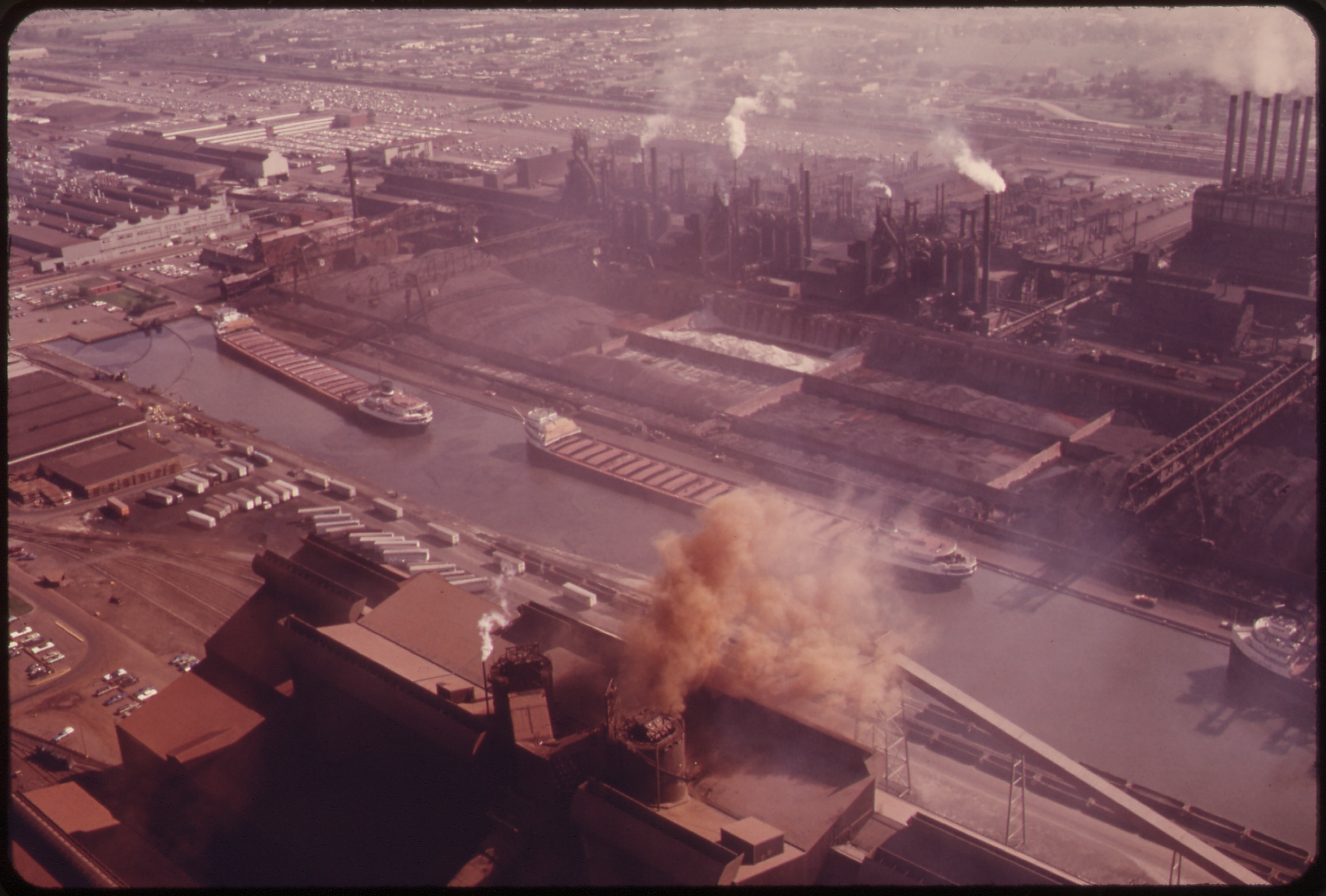
Historical aerial view of the Ford River Rouge industrial complex
REGION

Southeast Michigan

ERA

1930–Present

ENVIRONMENT

Public interpretive park and historical march route

HISTORICAL BACKGROUND

Historical aerial view of the Ford River Rouge industrial complex
Ford’s River Rouge works before the march

When the Rouge stopped hiring

The River Rouge plant was built to bring the stages of auto production together. The Historic American Engineering Record documents the furnaces, steel production and other operations that fed Ford’s assembly lines. The plant still stood when the Depression took away the paychecks of many people who had depended on it. To a laid-off worker looking for work or relief, the factory was both a place that had once paid the bills and a place where management could be asked to answer for what happened next.

The Walter P. Reuther Library’s account traces the march to Detroit’s Unemployed Councils. Their work included resisting evictions and helping people seek relief. The march was an organized effort to get a list of demands to Ford, with several thousand people backing it in person. The Reuther Library gives a range of 3,000 to 5,000. Figures that exact were hard to establish in a moving crowd, but the surviving photographs and newspaper coverage give a sense of the scale.

STORY & LEGENDS

Two encounters on the same route

The Fort Street Bridge is the place to start if you want to understand the geography. It connects the story to the Rouge River and southwest Detroit. The confrontation near the factory came farther along. The two locations have sometimes been compressed into a single scene, especially when a short commemoration has room for only one address. The Fort Street Bridge Interpretive Park commemorates the route and the march. The archive map points to the public park.

Harry Bennett led Ford’s Service Department. The Detroit Historical Society’s biography connects him to the Hunger March and to the separate 1937 Battle of the Overpass. Both involved Ford security. The later clash happened while organizers distributed union literature, five years after unemployed workers marched on the plant. The famous 1937 photographs belong with that later confrontation.

ORIGIN STORY

They were asking for coal as well as work

The fourteen demands make the march easier to understand. Organizers wanted laid-off workers rehired, relief money and fuel for the winter, and medical care for workers and their families. They wanted a halt to foreclosures, an end to discrimination in jobs and relief, and the right to organize. People still on the line wanted relief from the speed of production and time to rest. A reprint of the demands and contemporary labor reporting preserves details such as five tons of coal or coke. That was a request about heating a home, alongside demands about what happened inside the factory.

The MotorCities account of the march follows the crowd from southwest Detroit toward Dearborn. The city line mattered. Dearborn police tried to stop the march with tear gas, and people in the crowd threw rocks and other objects. The march moved on toward the plant. Accounts place a further confrontation there, where police and company security fired. The action stretched over a route, which helps explain why reports can describe different scenes and still be describing the same afternoon.

ALTERNATE VERSIONS

What people were counting

Some accounts describe four fatalities, especially when they focus on the day of the march and the funeral that followed. The Reuther Library’s collection overview counts five lives lost as a result. Curtis Williams survived the initial shooting and died later. A report published immediately after March 7 could count four and still be accurate for its date.

Injury totals have a similar problem. The March 8 Daily Worker, reproduced in the labor press, gave an early count of more than 35 injured. The Detroit Historical Society’s Bennett entry gives 60 wounded. Sources do not always specify whether their count covers gunshot wounds, all injuries or only cases reported by a particular time. The evidence supports saying that dozens were injured.

WITNESS ACCOUNTS

What the photographs can tell you

The Reuther Library’s digital gallery has images of the march, the victims and the funeral. A photograph of people moving along a road tells you about the crowd and the weather. A photograph of the funeral tells you that mourners turned out and how they assembled. The order of individual shots and the identity of the person who fired each round require evidence outside the frame.

The archive also holds material from people who were there. Its UAW audiovisual finding aid lists a 1992 recording with original marcher Dave Moore and members of Curtis Williams’s family. The finding aid identifies participants and a recording date. The tape itself would be needed to attribute any specific recollection. For evidence closer to the event, the Robert W. Dunn collection points to newspaper clippings, correspondence and labor accounts from spring 1932.

MORBID FACTS

The fifth man and the four graves

On March 12, mourners gathered at Detroit’s Woodmere Cemetery for Joe York, George Bussell, Coleman Leny and Joe Blasio. The Reuther Library identifies all four in its funeral photograph record. In that photograph, the flowers and people belong to a burial that actually took place. Williams is absent from this funeral for a basic reason. He was still alive.

The MotorCities educational account says Williams, a Black worker, died of complications in June and that segregation kept him from burial alongside the others. It says he was cremated and presents the story that his ashes were scattered near the plant as a reported tradition. The ashes story calls for a more direct source. The four graves, the later fifth death and the account of segregated burial can be explained without giving the tradition the status of a documented disposal record.

Injured marchers and the investigation

A labor-history account of the aftermath describes police taking wounded marchers into custody, followed by raids and arrests. The same study reports that a grand jury returned no indictments and cleared the company of involvement in quelling the confrontation. That finding sits alongside later histories that describe Ford security and police firing. A grand jury’s outcome establishes what happened in the legal process. Reconstructing who fired and who directed them still depends on testimony and other evidence.

CURRENT DAY

WHAT WE CAN VERIFY

Confirmed History

  • The march took place March 7, 1932. Five people ultimately died. Reuther identifies the four men at the March 12 Woodmere funeral.

Unverified Claims

  • The individual sources of the gunfire and the tradition about where Williams’s ashes were scattered require further documentation.

Important

  • The marchers demanded employment, relief, medical care, organizing rights and an end to racial discrimination.

HISTORICAL PHOTO GALLERY

A CLOSER LOOK THROUGH THE YEARS

KEEP EXPLORING

MORE STORIES FROM X-UMED'S DARK ARCHIVE

X-UMED EPISODE/VIDEO

Leave a Reply

CATEGORIES

googlemaps

LOCATION & ACCESS

googlemaps
Detroit / Dearborn
REGOIN
Southeast Michigan
COORDINATES
42.29148
-83.14224
ADDRESS
Fort Street Bridge Interpretive Park, 12700 Denmark Street, Detroit, Wayne County, Michigan.
ACCESS
Open to Public
LOCATION ON MAP
HELP US DIG DEEPER

have a firsthand account, an old photo, or a correction about this place?

SHARE THIS STORY
X
Reddit
Threads
WhatsApp
Email
StumbleUpon
Facebook
SEARCH THE DARK ARCHIVE
148STORIES
UNEARTHED
358MORE STILL
BURIED
29% OF THE ARCHIVE UNEARTHED